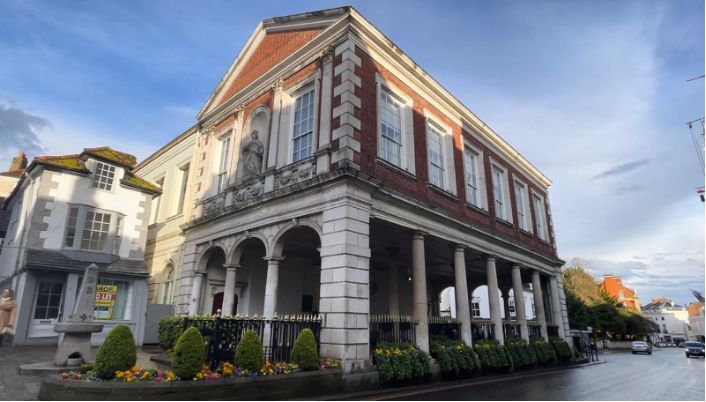
What sort of Town Council does Windsor need — and who should it represent?
RBWM is asking residents for their views on creating a new Windsor Town Council though the “Community Governance Review” Consultation.
This is an important opportunity. A Town Council could become Windsor’s own elected community council, giving residents a stronger local voice and potentially taking responsibility for local services, community facilities, events, open spaces and other initiatives.
But there is much more to decide than simply “Do you want a Town Council?”
What should it do? What should it cost? What services and assets should it manage? How ambitious should it be? And, importantly, which communities should have the opportunity to be considered as part of it?
The Council’s questionnaire contains seven substantive questions before the equality-monitoring questions. Here is our guide to what they mean and some of the issues you may want to consider when making your own response.
You might find our previous blog useful; “Windsor: Community boundaries ≠ historic administrative boundaries” explains more fully the problems with this current consultation and what, in our opinion, would be the sensible way for the Council to have prusued this costly exercise in a way that really benefits all residents and not just the few.
Find out how our attempts to get ALL Windsorians included in a Windsor Town Council have been ignored and frustrated by Politicians and officers at RBWM in our blog, “Who Belongs in Windsor? Why Aren’t All Windsor’s Edge Communities Being Asked?” .
Click here to access the Community Governance Review questionnaire
Suggestions and help to answer each question
1. Are you over 16?
Simply answer Yes or No.
The consultation is open to people aged under 18 as well as adults, although it asks whether respondents are at least 16.
2. Who are you?
The questionnaire asks whether you are, for example, a Windsor or Maidenhead resident within the Review Area, an RBWM resident outside it, a business representative, councillor or representative of a voluntary/community organisation.
Choose the description that applies to you.
This question is particularly important for people who regard themselves as living in Windsor but find that their homes are outside the Council’s defined Review Area.
3. Do you support creating Town Councils?
You can choose:
Strongly support | Support | Oppose | Strongly oppose | Don’t know.
Think not only about whether you like the words “Town Council”, but about what a good Windsor Town Council could potentially achieve.
A Town Council could provide an additional elected voice focused specifically on Windsor and, depending upon the functions ultimately agreed, could potentially support community facilities, recreation, the public realm, local events and other community initiatives.
So ask yourself:
Would Windsor benefit from having its own elected community-level council?
4. Which option do you prefer?
The questionnaire offers four choices: create a Windsor Town Council; create a Maidenhead Town Council; create neither; or propose an alternative form of community governance.
If you support creating a Windsor Town Council, Option 1 is the option that says this directly.
Supporting a Windsor Town Council does not require you to agree with every aspect of the Council’s current proposal. You can use Question 7 to explain concerns about its proposed geography, functions, financing or design.
5. How much would you be prepared to pay?
This question deserves some thought.
The questionnaire says that in 2026/27 the average parish precept in RBWM is £75.73, ranging from £39.33 to £158.66, while residents in unparished areas (that is most of Windsor today) pay £42.94 in special expenses. It then asks how much extra you would be willing to pay annually: £0, £1–£50, £51–£100, £101–£150, more than £150, or “Don’t know”.
But there is an obvious question:
What would residents receive for their money?
A larger precept supporting valuable local services may represent a very different proposition from the same precept funding a council with few functions.
If you do not believe you have enough information to make that judgement, “Don’t know” is one of the answers the Council provides.
You can then use Question 7 to say that you would like to see a proper business case showing the services, costs, income, assets and benefits before deciding what level of precept is appropriate.
6. What should the Town Council actually do?
This is one of the most important questions.
The questionnaire asks whether a Town Council should be responsible for:
allotments; bus shelters; celebrations and festivals; cemeteries and burial grounds; litter bins; recreation grounds and open spaces; street and footway lighting; and town-centre management.
Tick whichever services you believe it should provide.
But you are not restricted to that list. There is an “Other” box.
If you want a more ambitious Town Council, you could consider whether you would also like it to have a role, where legally and financially appropriate, in areas such as:
community centres and community assets; parks, leisure and sports; youth activities; support for older people; community grants; markets, culture and events; community transport and better bus services; parking initiatives; public-realm improvements; environmental and biodiversity projects; community safety; emergency and community resilience; local economic development; tourism; neighbourhood planning; health and wellbeing initiatives; and representing Windsor and its residents to other public bodies.
You do not need to support all of these.
The important question is: What would you like your Town Council to achieve for Windsor?
7. Tell the Council what you really think
Question 7 simply asks:
“What feedback, if any, do you have about the creation of town councils?”
This is your opportunity to raise anything the tick-box questions have not covered.
There are several important issues you might consider.
7.A Who should have the opportunity to be considered for inclusion?
The current Windsor Review Area is based on presently unparished Windsor and excludes the Broom Farm Army Estate, The Limes, The Willows and all newbuild homes between Aldi and the River Thames.
That means some communities associated with Windsor but currently within an existing parish are outside the defined Review Area.
If this concerns you, you can tell the Council whether you think the current review should examine the existing boundary and reasonable alternatives before the Town Council is created.
That does not require you to say that any particular neighbourhood must be transferred. You can simply ask: Should residents be properly consulted and the evidence examined before the boundary is settled?
7.B Should Windsor do this once or twice?
Another question is whether it makes sense to establish a smaller Town Council first and potentially reconsider its boundaries through another Community Governance Review later.
You may want the Council to compare: one comprehensive review now with creating a smaller Town Council now and potentially reviewing and reorganising it later.
That comparison could include cost, officer resources, consultation, electoral arrangements, administrative disruption and the effect upon neighbouring communities.
7.C Could the boundary divide communities?
Boundaries are not just lines on maps.
They determine who elects a Town Council, who pays its precept and who is represented by it.
If you think the proposed approach could separate neighbouring communities that share Windsor schools, shops, surgeries, transport, leisure facilities or community identity, say so and explain why.
Community identity and cohesion are relevant considerations in a Community Governance Review.
7.D What about Windsor’s growing western communities?
If you live in or know communities such as Broom Farm Army Estate, The Limes, The Willows/Riverside Park or newer developments on Windsor’s western edge, you may want to explain where you consider your community to be and why.
Useful evidence might include where your family:
goes to school; shops; uses doctors and other services; works; socialises; uses leisure facilities; travels; participates in community activities; and considers home.
The important thing is to tell the Council about your actual experience, rather than simply repeating somebody else’s opinion.
What the questionnaire doesn’t directly ask
There are some significant questions which the consultation form does not directly put to residents are key questions such as;
- What should the boundary of a Windsor Town Council be?
- How ambitious should the Town Council be?
- What assets should it own or manage?
- What additional services would residents like it to provide?
- What funding and income could it obtain besides the precept?
- How should Windsor’s neighbourhoods be represented within it?
- How should future housing growth affect its boundaries?
- And:
- Does the proposed Review Area actually reflect the Windsor community as residents experience it?
If any of these matters are important to you, Question 7 gives you an opportunity to raise them.
A useful way to structure your answer to Question 7
You do not need to write an essay.
Consider answering five simple questions in your own words:
1. Do I want a Windsor Town Council — and why?
2. What would I like it to do for my community?
3. Who do I believe should have the opportunity to be considered for inclusion — and why?
4. What concerns, if any, do I have about the Council’s current proposal?
5. What would I like RBWM to investigate before making its final decision?
Personal evidence can be particularly useful.
If your children attend Windsor schools, say so.
If you use Windsor shops, doctors, buses, leisure facilities or community organisations, say so.
If you live outside the present Review Area but consider Windsor your community, explain why.
And if you think your existing parish arrangements work well and should remain unchanged, that evidence matters too.
This is about more than creating another council
The fundamental question is not simply whether Windsor should have another layer of local government. It is: What kind of Town Council could make Windsor a better place to live?
A well-designed Town Council could potentially become a vehicle through which residents organise locally, represent their community, support services and organisations, manage community assets, attract funding and invest in priorities that matter locally.
But its boundary, functions, finances and democratic arrangements will determine what sort of institution it becomes.
That is why residents’ responses matter.
Whatever your view, use the consultation to tell the Council what sort of Windsor Town Council you want—and what community you believe it should represent.
Ask the people. Examine the evidence. Then decide.
Find out how our attempts to get ALL Windsorians included in a Windsor Town Council have been ignored and frustrated by Politicians and officers at RBWM in our blog, “Who Belongs in Windsor? Why Aren’t All Windsor’s Edge Communities Being Asked?” .

